November 17, 2026
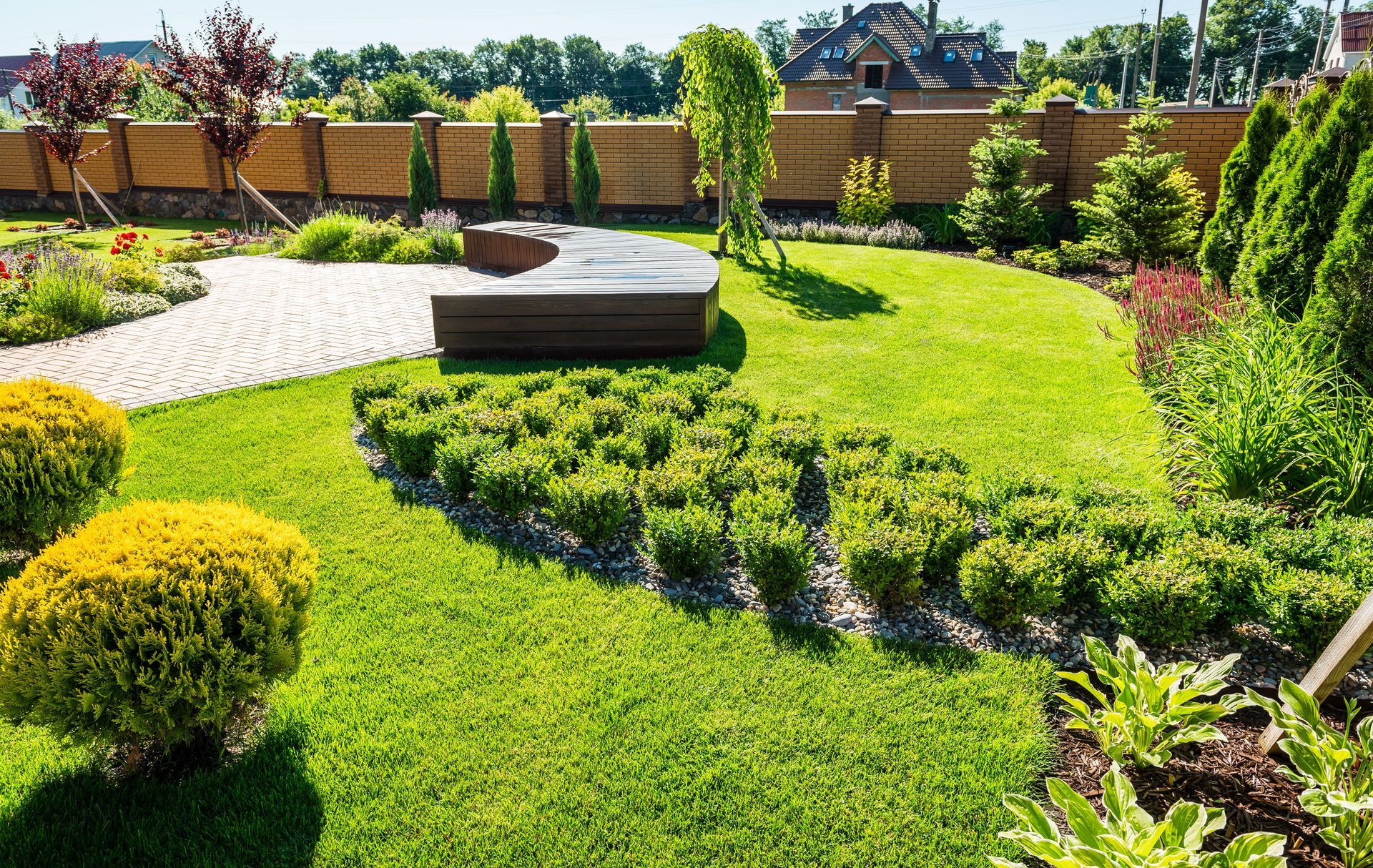
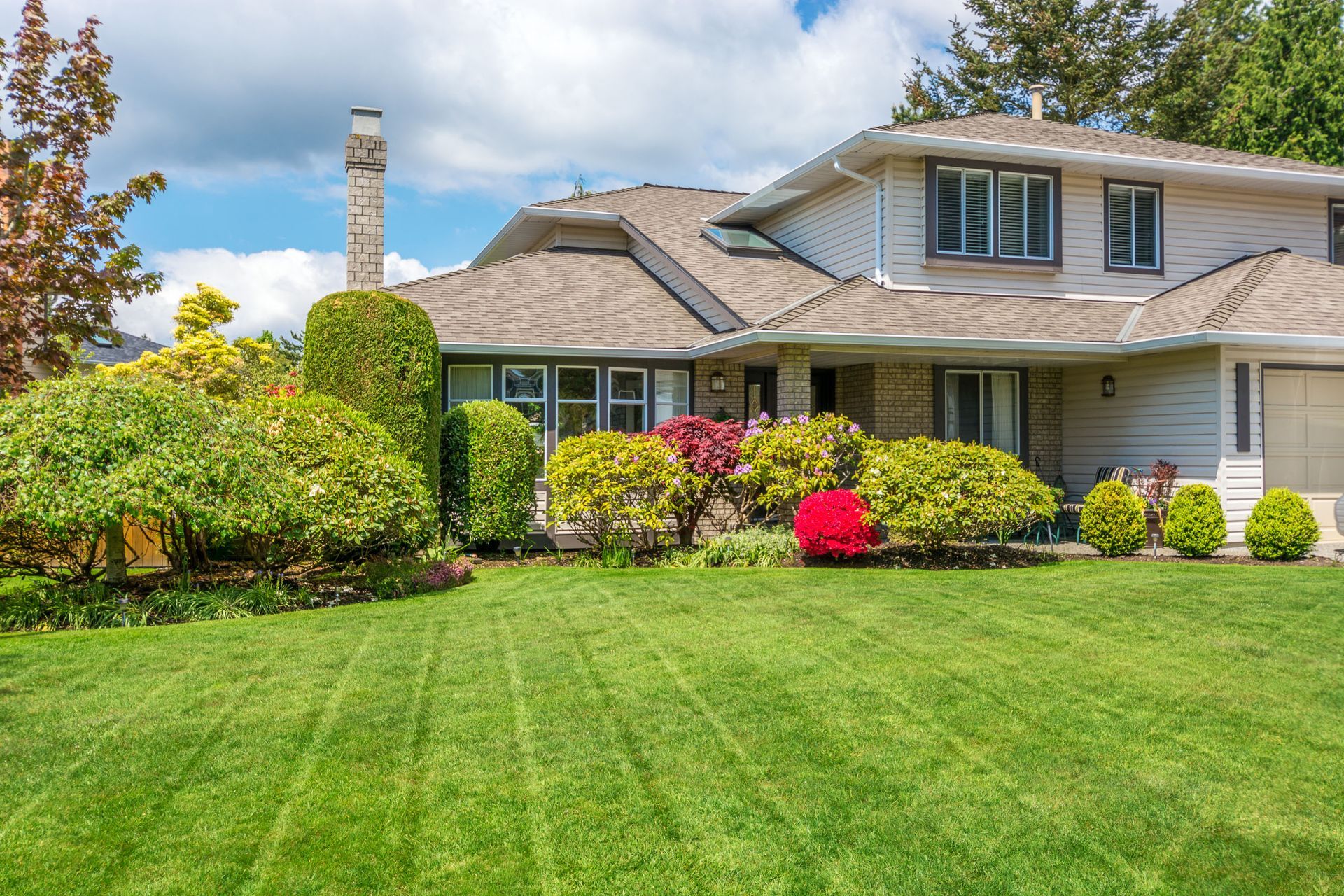
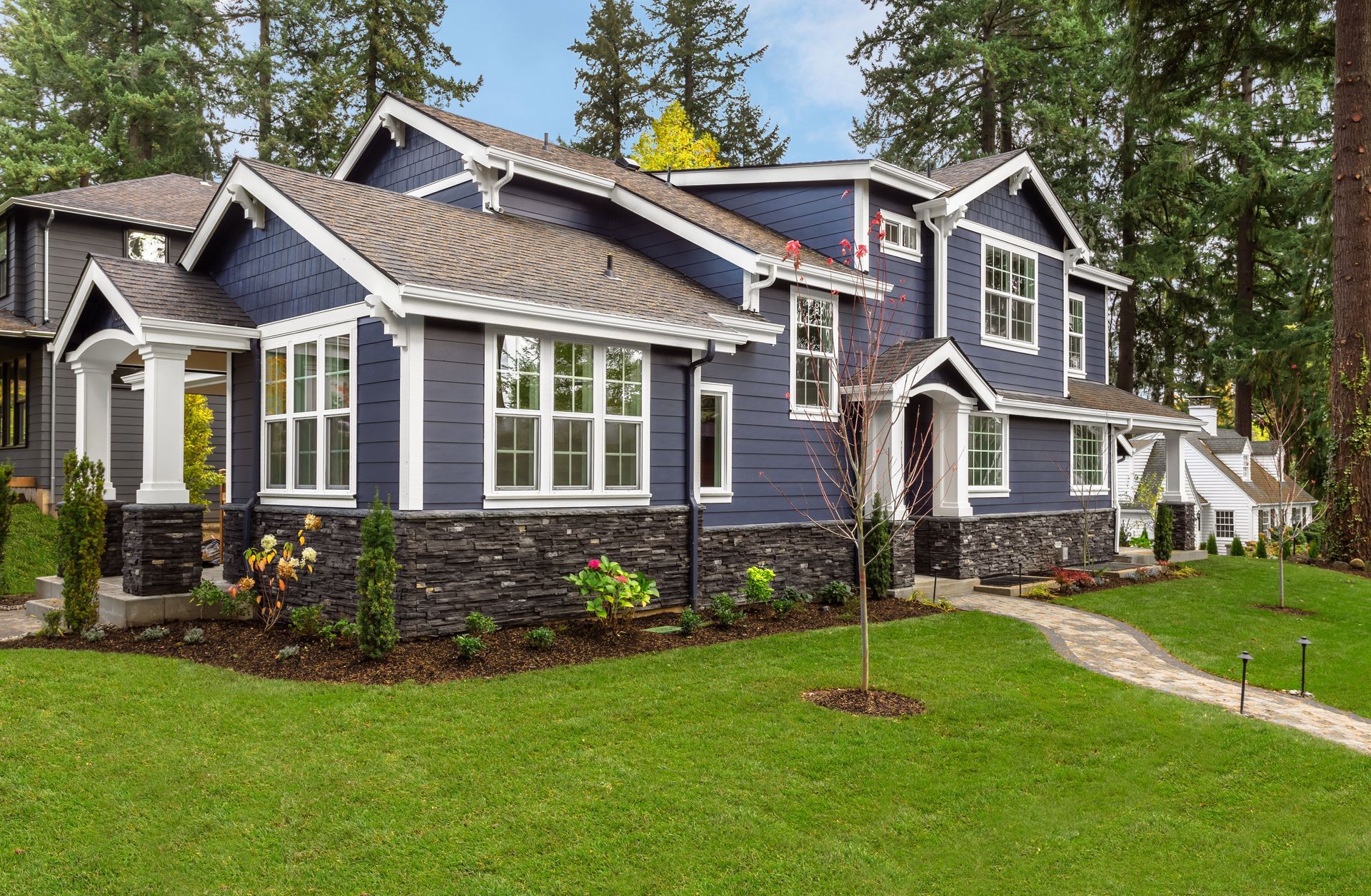
Creating an attractive outdoor living area involves more than adding patio furniture or planting decorative flowers. A well-planned space should support relaxation, entertainment, and everyday activities while complementing the surrounding property. Homeowners must consider available square footage, traffic patterns, weather conditions, privacy, and maintenance requirements before selecting features. Without careful preparation, outdoor improvements may create overcrowded layouts, drainage problems, or spaces that receive little use. Thoughtful landscape design helps balance visual appeal with practical functionality, allowing homeowners to create comfortable environments that suit their lifestyles. Whether transforming a small backyard or developing an expansive outdoor retreat, understanding the essential planning considerations can help property owners make informed decisions and create spaces that remain enjoyable for years.
Evaluating Your Available Outdoor Space
Before selecting outdoor features, homeowners should assess their property's dimensions, existing conditions, and potential limitations. Slopes, drainage patterns, mature trees, utility locations, and property boundaries can influence where patios, walkways, and gathering areas should be positioned. Identifying these characteristics early helps prevent construction complications and ensures that planned improvements work with the surrounding environment rather than creating unnecessary obstacles.
Professional landscape design begins with understanding how different areas of the property can be used effectively. Homeowners should consider sunlight exposure, prevailing winds, views, and connections to indoor living spaces. Measuring available areas also helps determine whether proposed features will fit comfortably. A thoughtful evaluation establishes realistic expectations and provides a foundation for developing an attractive, practical outdoor environment.
Identifying Your Outdoor Living Priorities
Every household has different expectations for its outdoor living area. Some homeowners want comfortable spaces for family gatherings, while others prioritize gardening, outdoor cooking, or quiet relaxation. Establishing these priorities helps determine which improvements deserve the most attention. A household that frequently entertains guests may benefit from generous seating arrangements, whereas families with children might prefer open recreational areas.
Consider how often the space will be used and which activities require dedicated areas. Outdoor dining, grilling, lounging, and gardening each involve different furniture, equipment, and circulation requirements. Homeowners should also anticipate changing needs as their households evolve. Identifying essential features before construction helps prevent unnecessary spending and creates an environment that supports everyday routines without sacrificing flexibility.
Organizing Functional Outdoor Living Zones
Dividing an outdoor area into functional zones can improve organization and make the property more comfortable. Separate spaces for dining, cooking, entertaining, and relaxation help prevent activities from interfering with one another. However, these areas should remain connected through convenient pathways and thoughtful transitions. Poorly arranged features can create awkward movement patterns or make certain sections difficult to access.
A cohesive landscape design considers how individual zones interact with surrounding features. For example, an outdoor dining area may work best near the kitchen, while a quiet seating space might benefit from greater separation. Changes in paving materials, planting arrangements, or elevation can visually distinguish different areas. Maintaining consistent design elements helps create a unified appearance throughout the property.
Selecting Durable Materials and Hardscaping Features
Hardscaping provides structure and establishes usable surfaces throughout an outdoor living area. Patios, retaining walls, walkways, and decorative borders can define spaces while improving accessibility. Materials should be selected according to climate conditions, anticipated traffic, maintenance requirements, and visual preferences. Natural stone, concrete pavers, brick, and other products offer different advantages depending on their intended applications.
Durability is particularly important for surfaces exposed to moisture, temperature changes, and frequent use. Homeowners should consider slip resistance, drainage, installation requirements, and long-term maintenance before choosing materials. Coordinating colors and textures with the home's exterior can also create a more cohesive appearance. Selecting appropriate hardscaping features helps establish dependable outdoor surfaces while supporting the property's overall aesthetic.
Incorporating Comfortable Seating and Entertainment Features
Comfortable seating encourages homeowners and guests to spend more time outdoors. Furniture arrangements should accommodate expected group sizes without obstructing walkways or creating crowded conditions. Dining tables, lounge chairs, benches, and built-in seating provide different levels of flexibility. Homeowners should select furnishings that withstand local weather conditions and complement the surrounding architecture and landscaping.
Entertainment features can further improve functionality when chosen according to household preferences. Outdoor kitchens, fire pits, televisions, and gathering spaces may enhance the experience, but each requires appropriate planning. Fire features need suitable clearances, while cooking equipment may require utility connections. A practical landscape design incorporates these elements without overwhelming available space or compromising comfortable movement between activity areas.
Integrating Plants and Natural Elements
Plants contribute color, texture, shade, and visual interest to outdoor living spaces. Trees, shrubs, ornamental grasses, and flowering plants can soften hardscaping while creating attractive transitions between functional areas. However, plant selection should reflect local growing conditions, available sunlight, soil characteristics, and maintenance expectations. Choosing unsuitable varieties may lead to excessive watering, frequent replacement, or unwanted overgrowth.
Homeowners should also consider mature plant sizes when determining placement. Trees planted too close to patios or structures may eventually create maintenance concerns, while dense shrubs can obstruct pathways. Layering plants of different heights adds visual depth without requiring excessive space. Professional landscape design can help coordinate plant arrangements with hardscaping features, creating an environment that feels balanced and inviting throughout the seasons.
Planning Effective Lighting and Privacy Solutions
Outdoor lighting extends the usability of gathering areas beyond daylight hours while improving visibility along walkways and steps. Different fixtures serve different purposes, including illuminating dining spaces, highlighting architectural features, and providing safer movement around the property. Homeowners should avoid excessively bright installations that create glare or disturb neighboring properties. Thoughtful placement helps establish a comfortable atmosphere without unnecessary energy consumption.
Privacy is another important consideration, particularly for properties located near neighboring homes or busy streets. Fencing, decorative screens, strategically positioned shrubs, and pergolas can create separation without making the space feel enclosed. Combining privacy features with lighting and planting arrangements helps maintain visual consistency. The objective is to establish comfortable outdoor areas that provide appropriate screening while preserving natural light and airflow.
Establishing Realistic Budgets and Maintenance Plans
Outdoor improvements can involve substantial expenses depending on project size, materials, site preparation, and specialized features. Establishing a realistic budget helps homeowners prioritize essential elements and identify improvements that can be completed later. Costs may include grading, drainage modifications, hardscaping, planting, lighting, and utility installation. Maintaining a contingency allowance can also help address unexpected conditions discovered during construction.
Professional guidance can make planning more manageable. According to Houzz, 71% of homeowners completing outdoor renovation projects seek professional assistance, with landscape contractors representing the most commonly hired specialists at 26%. Experienced contractors can explain installation requirements, material options, and maintenance considerations. Homeowners should also evaluate ongoing responsibilities such as watering, pruning, cleaning, and seasonal upkeep. Choosing manageable features helps preserve the outdoor area's appearance and functionality over time.
Planning a beautiful and functional outdoor living area requires balancing personal preferences with practical property considerations. Evaluating available space, establishing priorities, organizing activity zones, and selecting durable materials all contribute to successful results. Comfortable seating, appropriate lighting, natural elements, and privacy features can further improve the outdoor experience. Effective landscape design brings these components together while accounting for maintenance requirements, construction expenses, and long-term usability. Rather than selecting features based exclusively on appearance, homeowners should focus on improvements that complement their lifestyles and surrounding environments. Careful preparation can help prevent unnecessary complications while creating welcoming spaces for relaxation and entertainment. Whether you want to upgrade an existing patio or transform your entire backyard, experienced professionals can help develop practical solutions that reflect your goals. Contact DeMelo Brothers today to discuss your outdoor living project and explore opportunities to enhance your property.